Unveiling the Timeless Beauty of Traditional Cultured Stone


Introduction
Traditional cultured stone, also known as manufactured stone or artificial stone, has been a popular choice for building and landscaping projects for centuries. This versatile building material has stood the test of time due to its durability, aesthetic appeal, and ease of installation. In this article, we will explore the history, production process, benefits, and applications of traditional cultured stone, highlighting its enduring charm and versatility in various architectural styles.
History of Traditional Cultured Stone
The use of cultured stone dates back to ancient civilizations, where artisans would carve and shape natural stones to create intricate designs for buildings and monuments. As civilizations evolved, the demand for more cost-effective and lightweight alternatives to natural stone led to the development of manufactured stone.
In Irregular stepstone pavers for a natural look , the production of traditional cultured stone saw significant advancements, with the introduction of new materials and manufacturing techniques. Companies like Eldorado Stone and Cultured Stone by Boral emerged as leaders in the industry, offering a wide range of cultured stone products that closely mimic the look and feel of natural stone.
Production Process of Traditional Cultured Stone
The production process of traditional cultured stone involves a combination of natural materials, pigments, and molds to create realistic stone textures and colors. Here is an overview of the typical production process:
1. Formulation: Manufacturers start by selecting a mix of cement, aggregates, and pigments to achieve the desired color and texture of the cultured stone.
2. Molding: The formulated mixture is poured into molds that are designed to replicate the shape and texture of natural stones such as limestone, granite, or river rock.
3. Curing: The molded pieces are left to cure and harden, usually in a controlled environment to ensure proper setting and strength.
4. Finishing: Once cured, the cultured stone pieces are removed from the molds and may undergo additional finishing processes such as sanding, painting, or sealing to enhance their appearance and durability.
Benefits of Traditional Cultured Stone
Traditional cultured stone offers a range of benefits that make it a preferred choice for architects, builders, and homeowners alike. Some of the key benefits include:
1. Cost-Effective: Cultured stone is generally more affordable than natural stone, making it a cost-effective option for those looking to achieve the look of real stone without the high price tag.
2. Lightweight: Unlike natural stone, which can be heavy and require additional structural support, cultured stone is lightweight and easy to handle, reducing installation time and labor costs.
3. Versatility: Cultured stone comes in a variety of shapes, sizes, and colors, allowing for endless design possibilities. It can be used for exterior facades, interior accent walls, fireplaces, and landscaping features.
4. Durability: Manufactured stone is engineered to withstand the elements and retain its color and texture over time. It is resistant to fading, chipping, and cracking, making it a long-lasting choice for building projects.
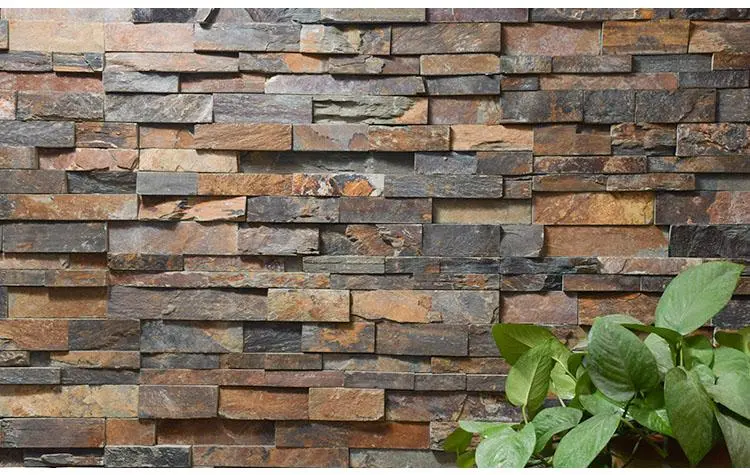
5. Sustainable: Cultured stone is made from natural materials such as cement, aggregates, and pigments, making it an environmentally friendly alternative to natural stone quarried from the earth.
Applications of Traditional Cultured Stone
Traditional cultured stone can be used in a wide range of applications, both indoors and outdoors, to enhance the aesthetic appeal of residential and commercial properties. Some popular applications include:
1. Exterior Cladding: Cultured stone is commonly used as a cladding material for exterior walls, creating a timeless and elegant look that adds curb appeal to homes and buildings.
2. Interior Accent Walls: Cultured stone can be used to create stunning accent walls in living rooms, bedrooms, and entryways, adding texture and warmth to interior spaces.
3. Fireplaces: Cultured stone is a popular choice for fireplace surrounds and mantels, providing a rustic and cozy focal point for living rooms and family rooms.
4. Landscaping Features: Cultured stone can be used to create retaining walls, garden borders, pathways, and outdoor kitchen elements, adding a touch of natural beauty to outdoor spaces.
5. Architectural Details: Cultured stone can be used to embellish architectural details such as columns, archways, and window surrounds, adding character and charm to building facades.
Conclusion
Traditional cultured stone continues to be a timeless and versatile building material that offers numerous benefits and applications for residential and commercial projects. Its ability to mimic the look and feel of natural stone, combined with its durability, affordability, and sustainability, makes it a popular choice among architects, builders, and homeowners. Whether used for exterior cladding, interior accent walls, fireplaces, or landscaping features, traditional cultured stone adds a touch of elegance and sophistication to any architectural style.